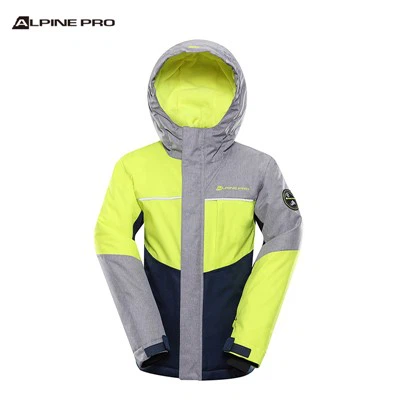
As a supplier of men's ski jackets, I've had the privilege of witnessing firsthand the diverse needs of skiers, whether they're speeding down alpine slopes or gliding across cross - country trails. The difference between a men's ski jacket designed for alpine and cross - country skiing is not just a matter of style but also functionality, and understanding these distinctions is crucial for both skiers and retailers.
1. Activity - Based Movement and Design
Alpine skiing is a high - energy, high - speed sport. Skiers are constantly making quick turns, sudden stops, and dynamic movements as they navigate steep slopes. A men's alpine ski jacket needs to accommodate these vigorous actions. It typically has a more relaxed fit around the shoulders, elbows, and hips to allow for a full range of motion. The sleeves are often pre - curved, mimicking the natural position of the arms when skiing. This design ensures that the jacket doesn't restrict movement, whether the skier is reaching for poles or leaning into a turn.
On the other hand, cross - country skiing is a more endurance - based activity. Skiers cover long distances at a relatively steady pace, using a gliding motion. The jackets for cross - country skiing are generally more form - fitting. A closer fit reduces wind resistance, which is especially important when skiing for extended periods. It also helps to keep the skier's body heat close to the body, enhancing warmth without adding excessive bulk.
2. Insulation and Breathability
Alpine skiers often experience rapid changes in temperature. When they're waiting in the lift line or skiing down a cold, shaded slope, they need a jacket that provides sufficient insulation. However, during a fast - paced descent, they can generate a significant amount of body heat. Therefore, alpine ski jackets usually feature a combination of insulation and breathable materials. High - tech synthetic insulation like Thinsulate or down insulation (in some high - end models) can keep the skier warm in cold conditions, while breathable membranes such as Gore - Tex allow sweat to escape, preventing the skier from getting wet and cold from perspiration.
Cross - country skiers, on the other hand, are constantly in motion, generating a lot of body heat. Their jackets need to be highly breathable to prevent overheating. They often rely on lighter insulation, such as fleece linings or thin synthetic fills. These materials provide enough warmth without causing the skier to overheat. Additionally, many cross - country ski jackets have large ventilation zippers under the arms or on the chest, which can be opened to release excess heat quickly.
3. Weather Protection
Alpine skiing often takes place in more extreme weather conditions, including heavy snowfall, strong winds, and low temperatures. As a result, alpine ski jackets are designed to provide superior weather protection. They typically have a waterproof and windproof outer shell, with taped seams to prevent water from seeping in. The jackets also often come with a high - collar design to protect the neck from cold winds and snow. Some alpine jackets even have a powder skirt that can be attached to the waist to prevent snow from getting inside the jacket when the skier falls or makes deep turns.
Cross - country skiing usually occurs in more open, flat terrains, and the weather conditions are generally less extreme. While cross - country ski jackets still need to be waterproof and windproof, they may not require the same level of heavy - duty protection as alpine jackets. The focus is more on lightweight and breathable materials that can still keep the skier dry in light snow or rain.
4. Pockets and Storage
Alpine skiers often carry a variety of items with them, such as goggles, gloves, snacks, and avalanche safety equipment. Therefore, alpine ski jackets usually have multiple pockets, including large exterior pockets for easy access to frequently used items and interior pockets for more valuable or delicate items. Some alpine jackets even have specialized pockets for storing ski passes or goggles.
Cross - country skiers, on the other hand, tend to carry fewer items. They may only need to carry a small water bottle, some energy bars, and a map. As a result, cross - country ski jackets typically have fewer pockets, but they are still strategically placed for easy access.
5. Weight
Weight is an important consideration for both types of skiing, but for different reasons. In alpine skiing, while the jacket needs to provide protection and insulation, excessive weight can be a hindrance, especially during high - speed maneuvers. However, the need for durability and weather protection often means that alpine ski jackets are slightly heavier.
Cross - country skiing requires a high level of endurance, and a heavy jacket can quickly tire the skier. Therefore, cross - country ski jackets are designed to be as lightweight as possible without sacrificing functionality.
Our Product Offerings
As a men's ski jacket supplier, we understand these differences and offer a wide range of products to meet the specific needs of alpine and cross - country skiers. For alpine skiers, we recommend our Insulated Snow Jacket for Men. This jacket is made with high - quality insulation and a waterproof outer shell, providing excellent protection in extreme weather conditions. Its relaxed fit and pre - curved sleeves allow for a full range of motion, making it ideal for high - speed alpine skiing.
For cross - country skiers, our Mens Ski Jacket Waterproof Insulated is a great choice. It features lightweight insulation and large ventilation zippers, ensuring breathability during long - distance skiing. The form - fitting design reduces wind resistance, allowing skiers to glide smoothly across the trails.
We also offer a Winter Ski Suit for Men, which is suitable for both alpine and cross - country skiing. This suit provides comprehensive protection and comfort, with features such as adjustable cuffs, a detachable hood, and multiple pockets.
Contact Us for Procurement
If you're a retailer looking to stock high - quality men's ski jackets, or a ski resort in need of bulk purchases, we'd love to have a discussion with you. Our team of experts can provide detailed product information, help you choose the right products for your customers, and offer competitive pricing. Don't hesitate to reach out to us to start the procurement process.


References
- Skiing Equipment Guide: A Comprehensive Look at Alpine and Cross - Country Gear. Skiing Magazine.
- The Science of Ski Jackets: How Different Designs Meet Different Needs. Outdoor Research Journal.
- Understanding the Technical Aspects of Ski Apparel. International Skiing Association Report.